

Aftermath of the War and Peace’s Agreement

The resistance against the invaders has involved a large number of Albanians and, being so, was an important happening of their history. Italian and German invasion had severe consequences to the Albanian population.
In term of human loss, during the five years of World War II, Albanians suffered great losses in civil and also in that population that was engaged in the resistance against the enemy. A large number of Albanians have suffered their sentences in prison and in concentration camps built by the Italian and German invaders.
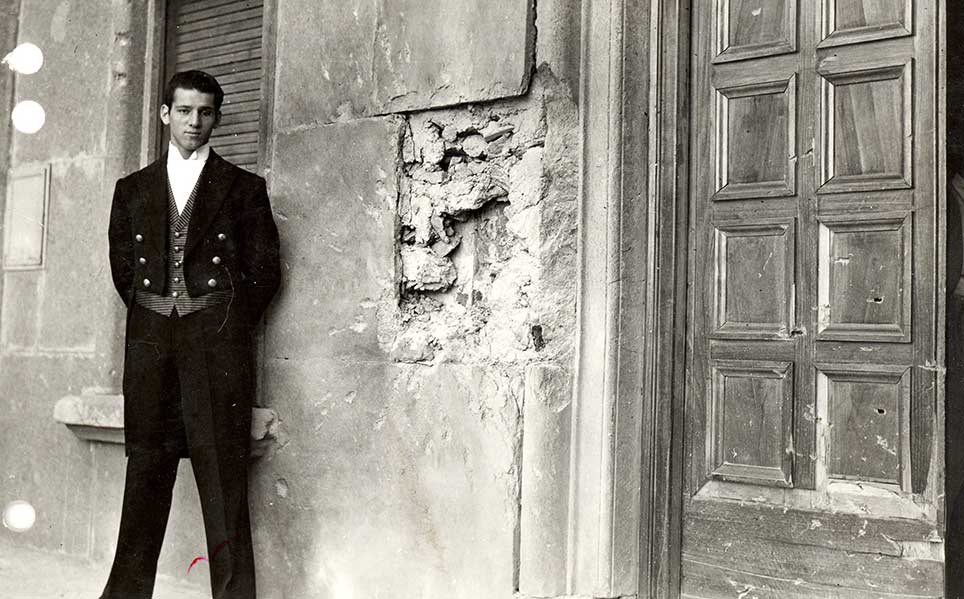
Italian and German invasion has brought Albania considerable material damage: bombarded and burned villages and cities, destroyed roads and bridges, a paralyzed economy; the National Bank was left without a gold reserve. Italian and German invasion also damaged the Albanian cultural heritage. After the war, Albanian government accused, especially the Italian invader for have taken a considerable number of archeological and ethnographic objects.
Recognizing and appreciating the Albanian resistance against the Axis’s army, Albania benefited from the humanitarian help program of UNRRA. She took part in the Conference for the German compensation (November-December 1945). Albania was invited to be a part of the Peace Conference in Paris (July-October 1946) and was recognized during this conference the status of an associated power. On 10 February 1947, the Albanian state was one of the states to sign the Peace Treaty with Italy